
Briefing
I learn about the people, pressures, culture and outcomes that matter to your organisation.
Calmer people. Stronger performance.
30 minutes. No preparation required.
01 · The cost
You can probably see it before the data does. People are still delivering, but something has changed in how they're delivering it.
The real risk is not the budget. It is acting too late, after a valued person burns out, after a team starts to fracture, after absence begins to climb. The result is further investment in wellbeing tools that people use briefly and quietly abandon, while the underlying stress stays where it was.
02 · The approach
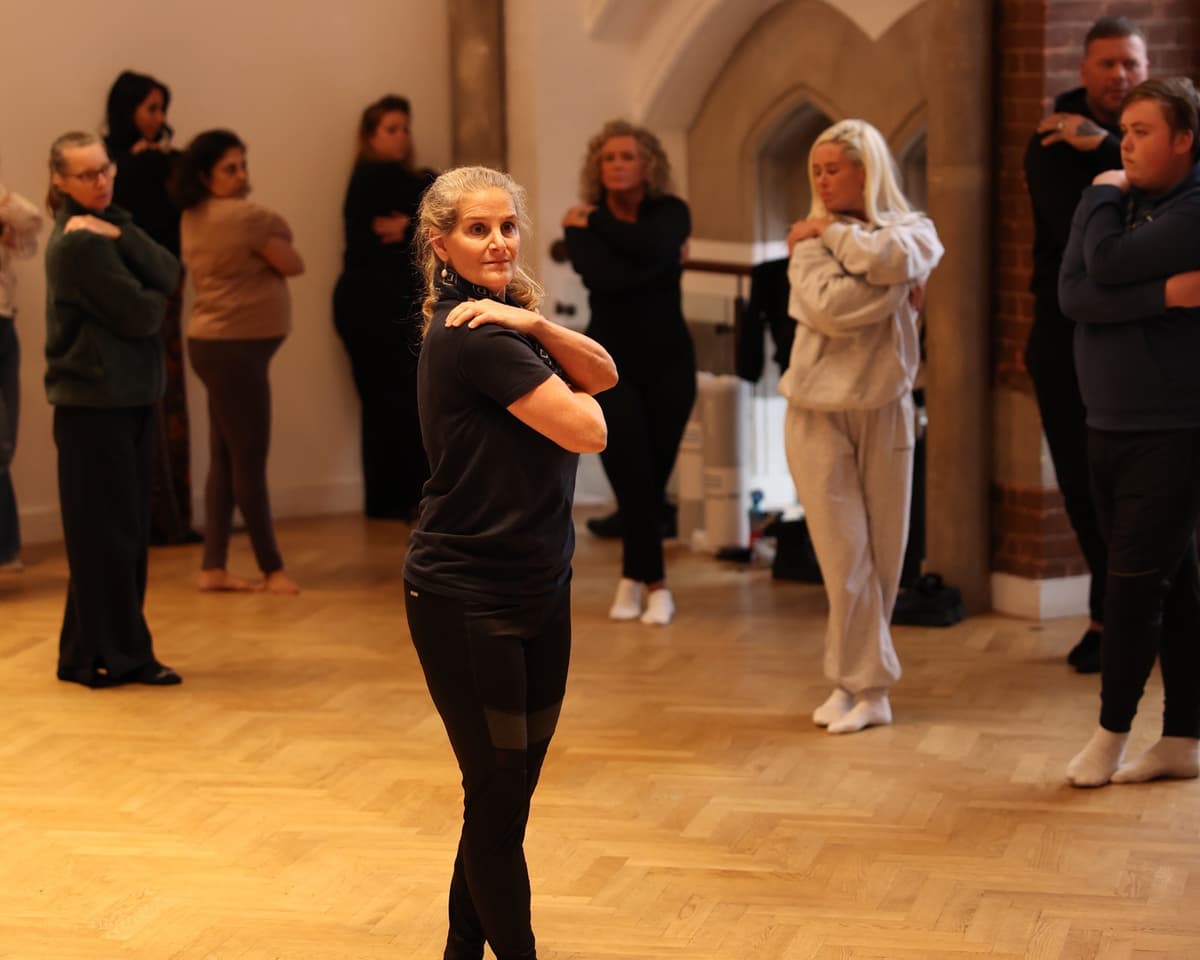
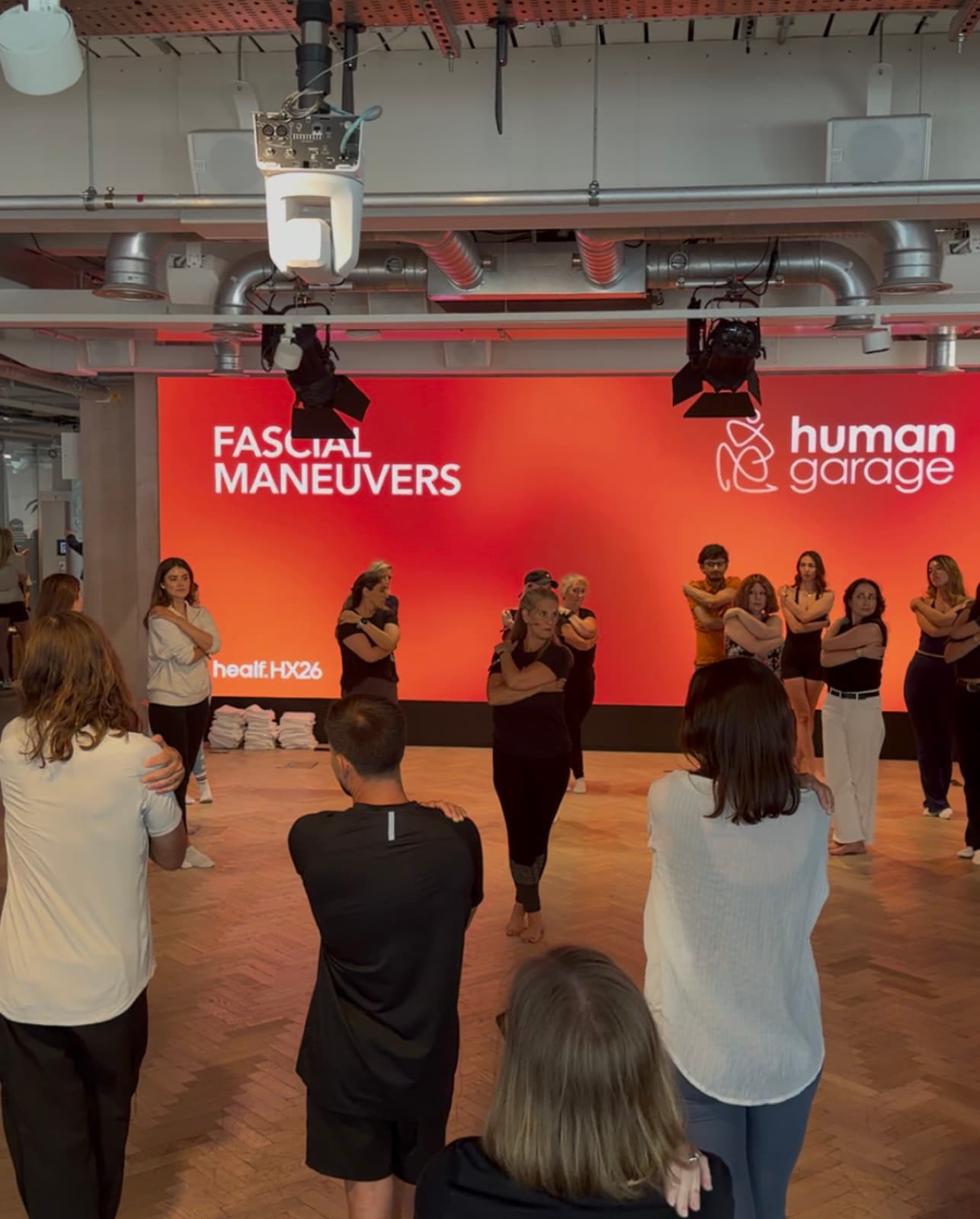
A Micro Reset is a short, body-led practice using gentle movement and breath to release tension, reduce stress and restore focus during the working day.
The 28-Day Micro Reset Programme equips teams with practical, repeatable tools to release accumulated tension, reduce stress and build healthier, more sustainable ways of working and performing.
It is designed to be low-disruption. Nobody leaves their work for hours. People learn short practices they can use at a desk, between meetings, or in the moments when pressure is highest, and we measure whether it's making a difference.
03 · The proof
These self-reported scores come from one organisation before and after Micro Reset sessions. They are not a guarantee that every organisation or participant will see the same result. What they show is that short, practical interventions can move the things that matter at work — inside the working day, not instead of it.
Lower is better for stress and tension. Higher is better for focus.
| Measure | Before | After |
|---|---|---|
| Morning stress (lower is better) | 5.2 | 3 |
| Morning tension (lower is better) | 5.5 | 3.4 |
| Morning focus (higher is better) | 5.8 | 7.8 |
| Midday stress (lower is better) | 4.1 | 2.2 |
| Midday tension (lower is better) | 3.4 | 2.7 |
| Midday focus (higher is better) | 5.3 | 6.6 |
04 · Inside the programme
I learn about the people, pressures, culture and outcomes that matter to your organisation.
Simple check-ins make stress, tension and focus visible before the work begins.
Participants learn short body-based resets using movement, breath and nervous-system education.
The practices are repeated across the working rhythm so the reset becomes usable, not theoretical.
We look at what the check-ins show, what changed and what did not, and agree what would make sense next.
A discovery call is a conversation, not a pitch. I'll ask about your people, your pressures and what you're already doing, and I'll tell you honestly whether the programme makes sense for you.
30 minutes. No preparation required.